If you have ever slid into a truck or SUV with cracked, stained, or worn-out seats, you already know why seat covers matter. But choosing the right custom seat cover is about more than just hiding damage — it is about protecting your investment, improving comfort, and adding a personal touch to your daily drive. In this complete guide, we walk through every decision you need to make, from material selection to installation, so you can order with confidence.
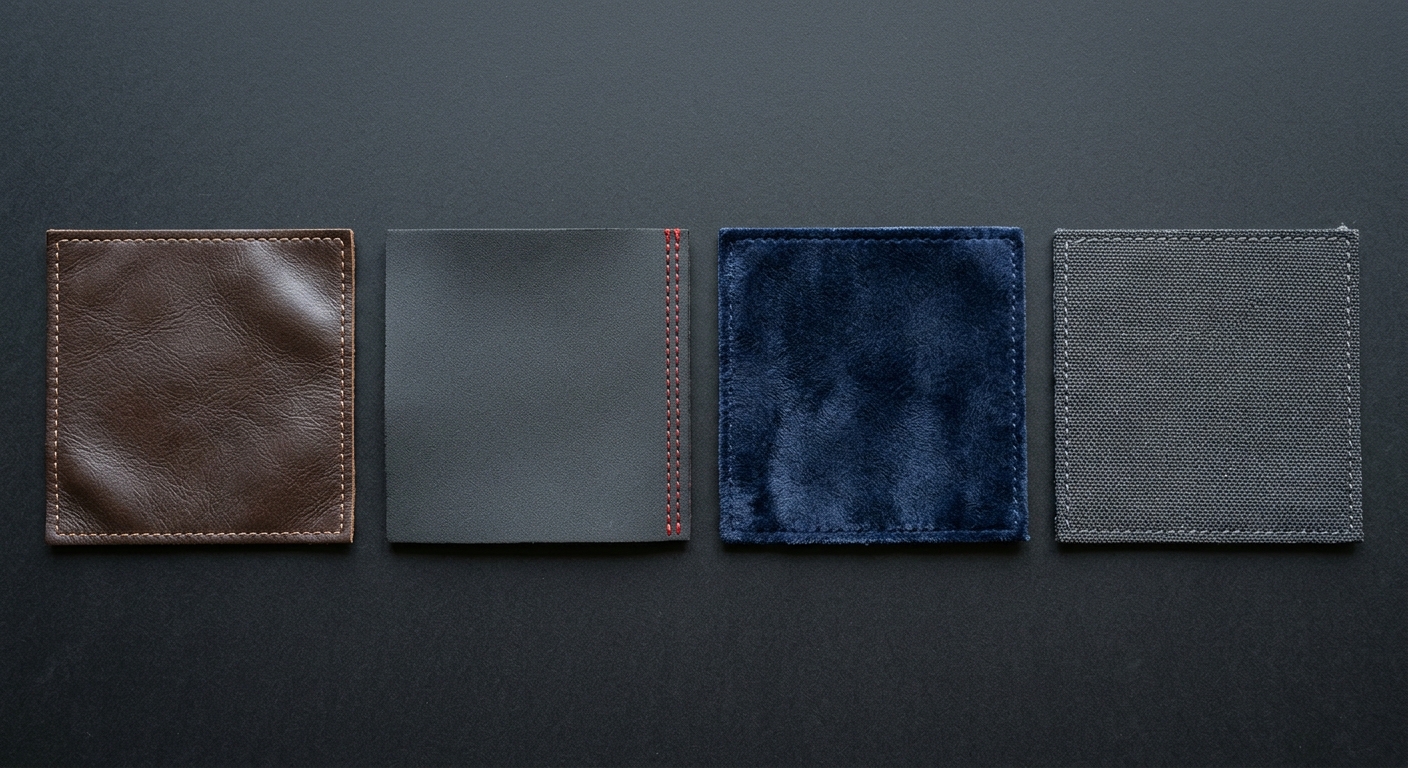
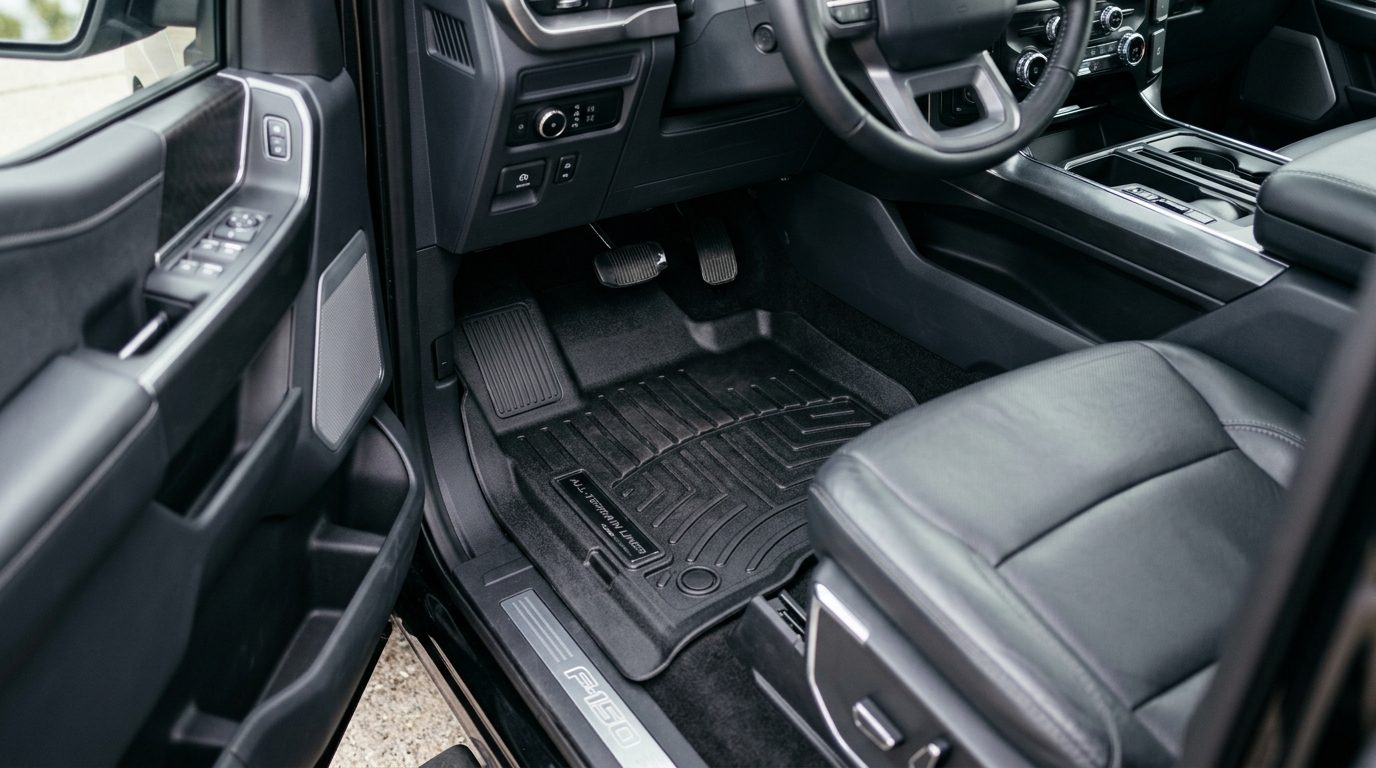
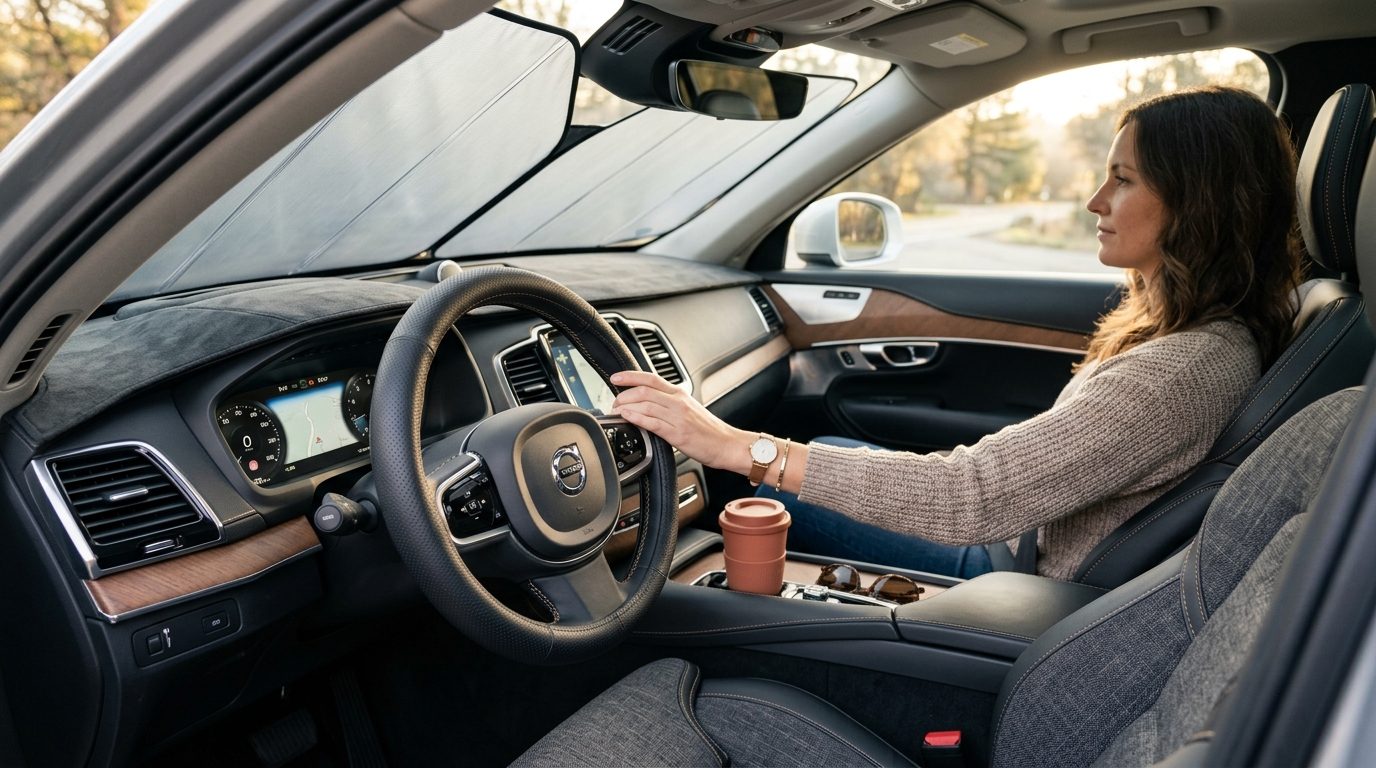
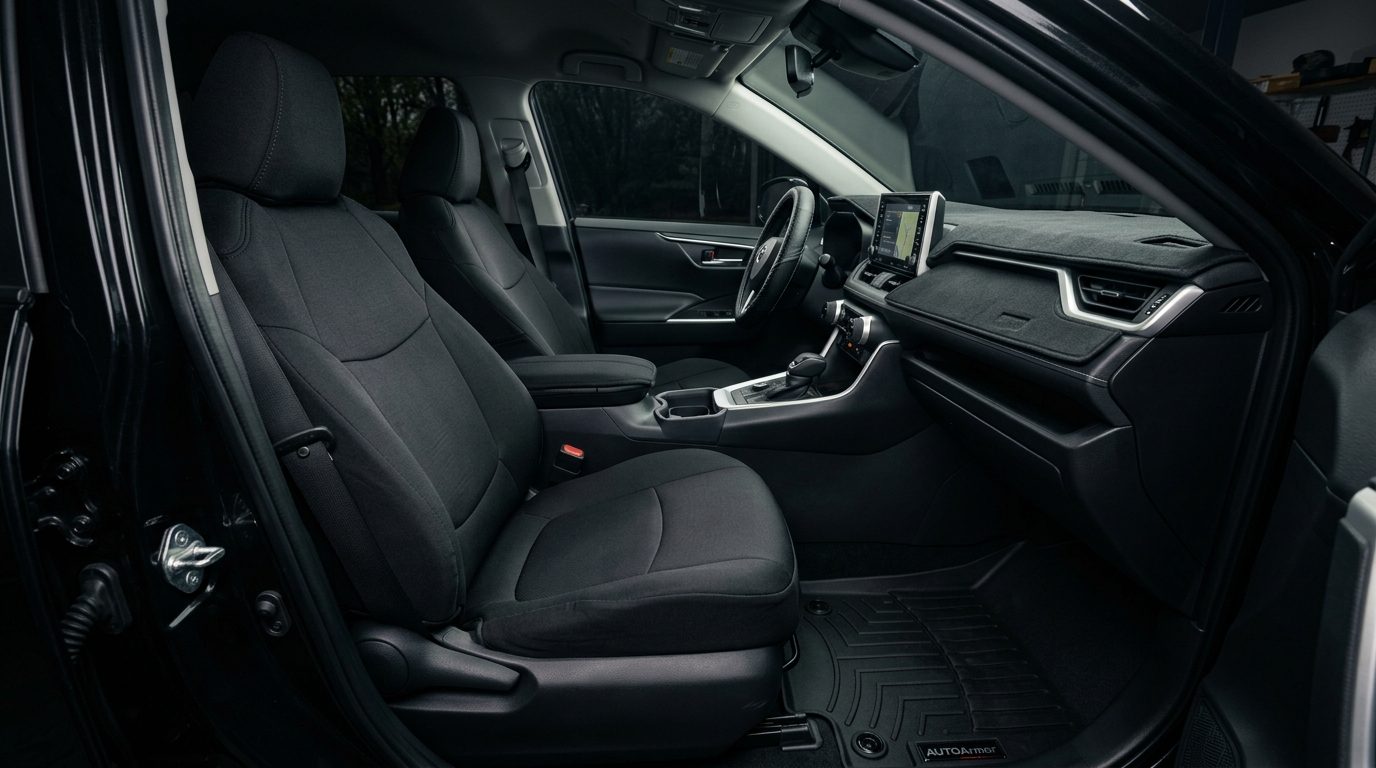
Different seat cover materials offer different benefits — from luxury leather to rugged neoprene.
Why Custom Seat Covers Are Worth the Investment
Your vehicle's seats take more abuse than almost any other surface. Every day, they absorb body heat, friction, sweat, UV radiation, and whatever you track in on your clothes. Over time, this constant assault breaks down the fabric or leather, leading to cracks, stains, fading, and tears that are expensive to repair.
Custom seat covers act as a sacrificial barrier. They take the wear so your original seats do not have to. When it is time to sell or trade in your vehicle, removing the covers reveals pristine original upholstery — a factor that can add hundreds or even thousands of dollars to your resale value.
Beyond protection, custom seat covers let you upgrade the look and feel of your interior. A set of premium leather covers can transform a basic work truck into something that feels far more luxurious. Neoprene covers add a sporty, waterproof layer perfect for active lifestyles. The right covers make your cabin a place you actually want to spend time in.
Understanding Seat Cover Materials
The material you choose determines durability, comfort, maintenance, and price. Here is a breakdown of the most popular options:
Leather and Faux Leather
Leather seat covers are the premium choice. Genuine leather offers a luxurious feel, excellent durability, and a classic look that ages beautifully. It is naturally resistant to spills and easy to wipe clean. Faux leather (also called vegan leather or PU leather) mimics the look at a lower price point while offering similar water resistance and easier maintenance.
Leather covers are ideal for daily drivers, work trucks, and anyone who wants a refined interior. They perform well in both hot and cold climates, though they can get warm in direct sunlight. Look for covers with UV-resistant coatings to prevent fading.
Neoprene
Neoprene is the same material used in wetsuits, which tells you everything about its water resistance. Neoprene covers are waterproof, highly durable, and offer excellent cushioning. They are the go-to choice for outdoor enthusiasts, pet owners, and anyone who deals with wet or muddy conditions.
One advantage of neoprene is its ability to regulate temperature. It stays cool in summer and warm in winter, making it comfortable year-round. The material is also available in a wide range of colors and patterns, allowing for more personalization than leather.
Velour and Fabric
Velour covers offer a soft, plush feel that is comfortable in all seasons. They are breathable, which means they do not get as hot as leather in summer or as cold in winter. Fabric blends — including canvas and polyester — are rugged options designed for work vehicles and heavy use.
Fabric covers are typically the most affordable option, but they require more maintenance than leather or neoprene. They absorb liquids, so spills need to be addressed quickly. Many fabric covers are machine washable, which makes deep cleaning straightforward.
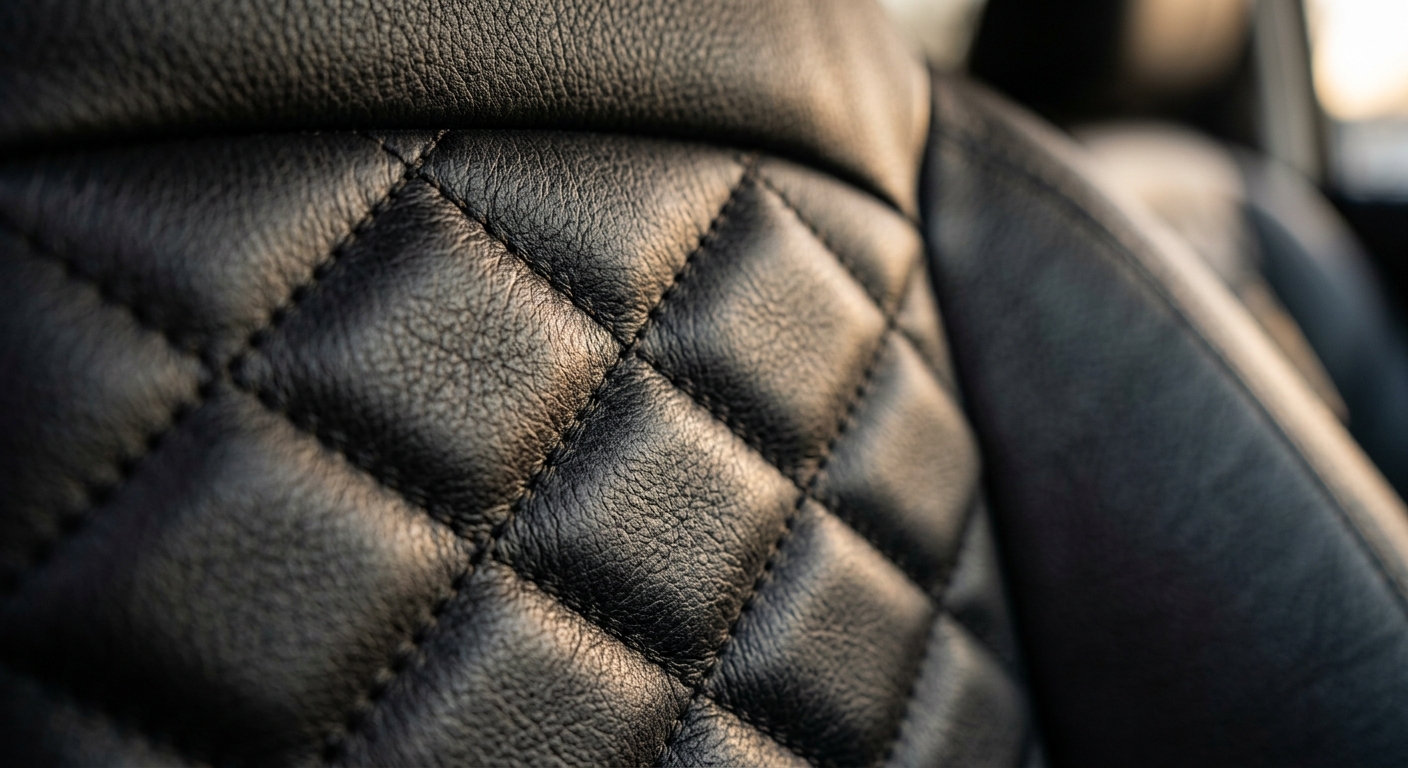
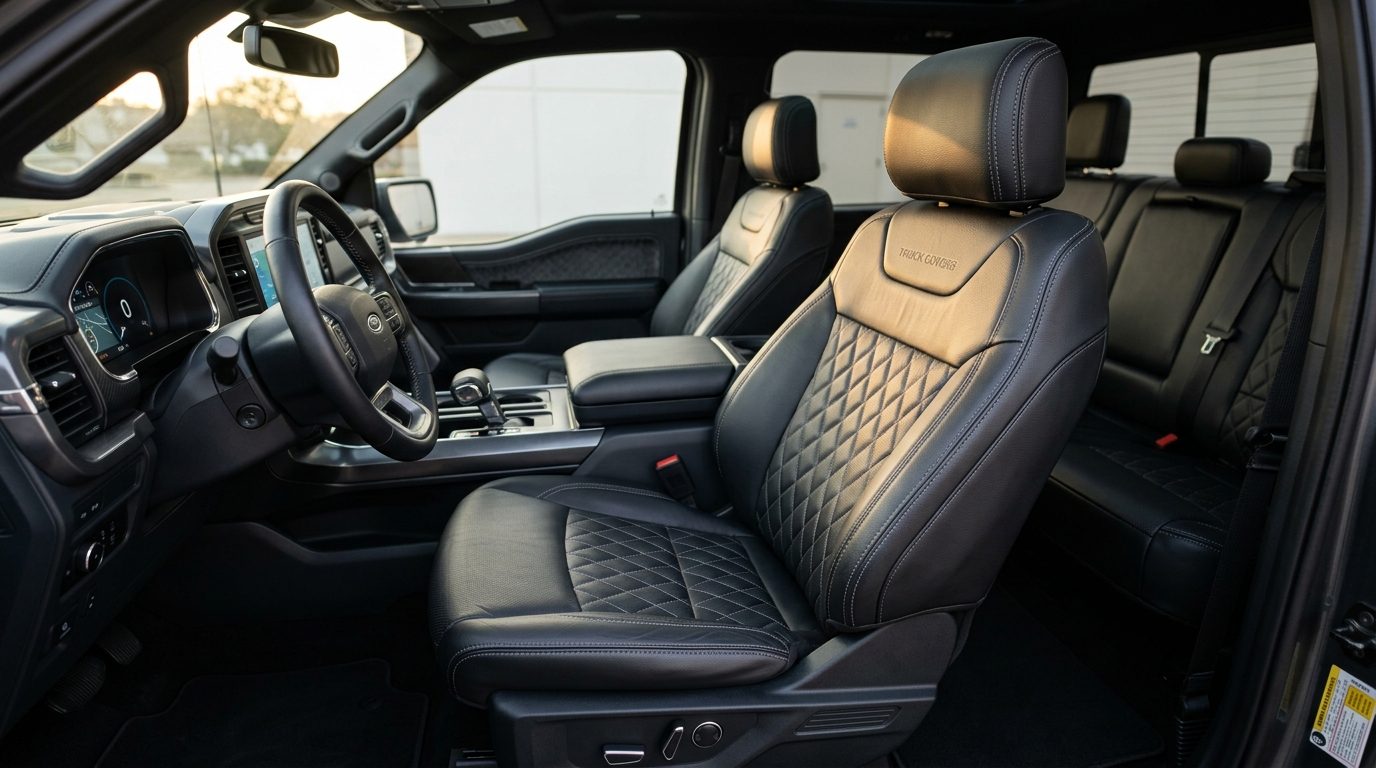
Quality stitching like this diamond pattern is a sign of a well-constructed seat cover.
Custom-Fit vs. Universal Seat Covers
This is one of the most important decisions you will make, and the difference is significant.
Custom-fit seat covers are designed for specific vehicle makes, models, and years. They account for the exact shape of your seats, including headrest style, side airbag placement, seat controls, and armrest configurations. The result is a cover that looks and feels like it came from the factory — snug, tailored, and professional.
Universal seat covers are designed to fit a wide range of seats. They use elastic straps, ties, and adjustable features to accommodate different shapes. While they are more affordable and easier to find, the fit is never as precise. Universal covers may bunch, sag, or shift during use, and they often do not accommodate seat controls or airbags properly.
For most vehicle owners, the small price difference is worth it for custom-fit covers. The improved appearance, better protection, and safer airbag compatibility make custom-fit the clear winner.
How to Measure for the Perfect Fit
If you are ordering custom-fit covers, you need accurate information about your seats. Here is what to prepare:
- Vehicle make, model, and year: This is the starting point for any custom-fit cover. Manufacturers use this to identify the exact seat design.
- Seat type: Bucket seats, bench seats, split benches, and captain's chairs all require different cover designs. Know what you have before ordering.
- Headrest style: Integrated headrests (built into the seat back) and adjustable headrests (separate pieces) need different cover configurations.
- Seat features: Note any built-in controls, lumbar adjustments, armrests, or seat heaters. Quality custom covers have cutouts and accommodations for these features.
- Airbag location: Side airbags deploy from the seat side. Your covers must be compatible — look for airbag-safe stitching or certification.
Step-by-Step Installation Guide
Installing custom seat covers is a straightforward process that most people can complete in 30 to 60 minutes with no special tools. Here is how to do it right:
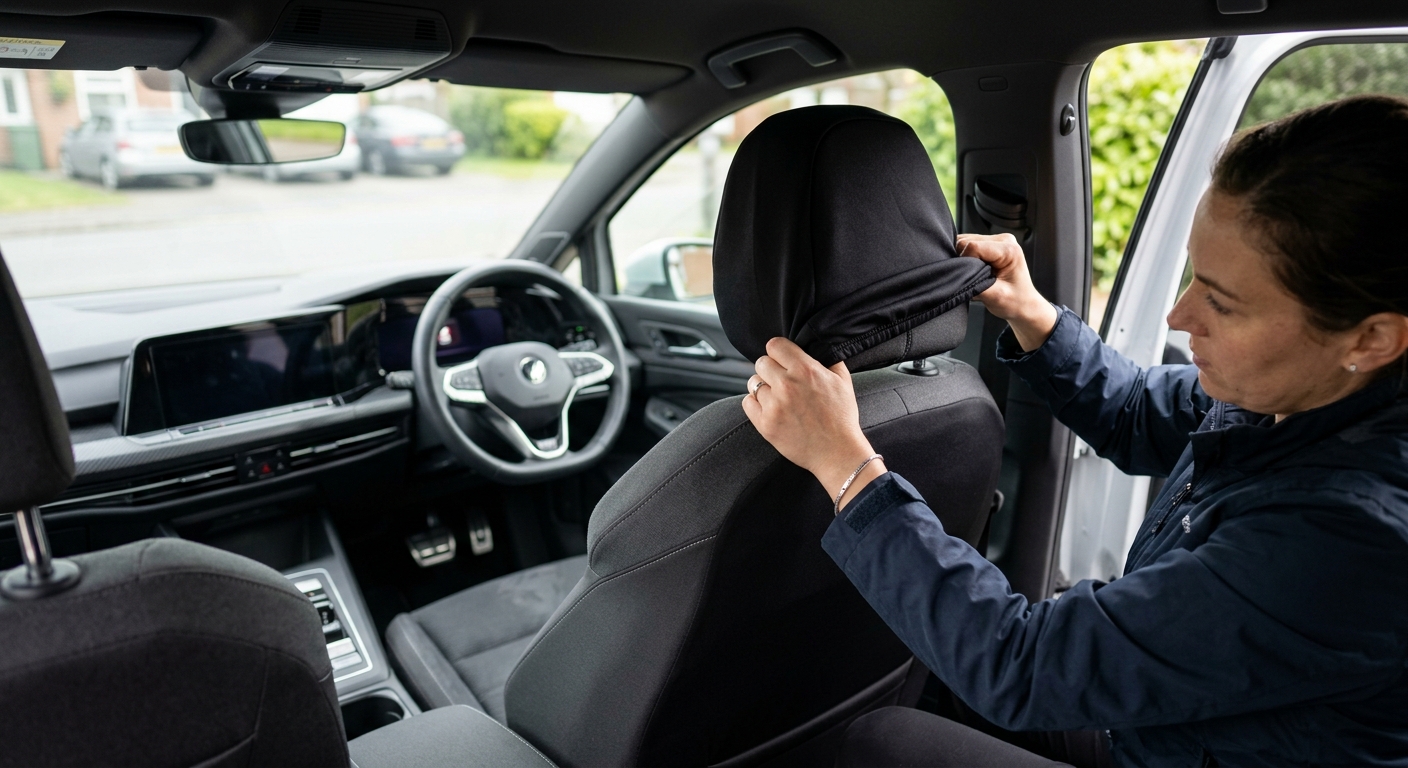
Proper installation starts with the headrest and works down for a smooth, wrinkle-free fit.
Step 1: Prepare the Seats
Vacuum and clean your seats before installing covers. Any dirt or debris left underneath will rub against the upholstery and cause wear. If you are covering leather seats, apply a conditioner first — once the cover is on, you will not be able to condition the original leather.
Step 2: Start with the Headrest
Remove the headrest if it is adjustable. Slide the cover over the seat back from the top, working it down smoothly. If the headrest is integrated, fit the cover over the entire seat back including the headrest area.
Step 3: Secure the Seat Back
Pull the cover down over the seat back, smoothing out any wrinkles as you go. Most custom covers have elastic straps or hooks that attach underneath the seat. Reach under the seat and connect these, pulling the cover taut.
Step 4: Install the Seat Bottom
Fit the bottom cover over the seat cushion. Again, use the provided straps or hooks to secure it underneath. Make sure the cover is centered and smooth — any bunching will be uncomfortable and look sloppy.
Step 5: Reattach the Headrest
If you removed an adjustable headrest, slide it back through the designated holes in the cover. Make sure the cover's headrest section sits flush against the seat back.
Step 6: Final Adjustments
Sit in the seat and shift around. This helps the cover settle into the natural contours of the seat. Check for any loose areas and tighten the straps as needed. The cover should feel snug and smooth with no sagging.
Maintenance and Care Tips
Proper maintenance extends the life of your seat covers significantly. Here are the essentials:
- Leather: Wipe weekly with a damp microfiber cloth. Apply leather conditioner every 3 to 6 months to prevent cracking. Avoid harsh chemicals that can strip the protective coating.
- Neoprene: Rinse with water and mild soap. Air dry only — never use a heat dryer. Neoprene is naturally resistant to mold and mildew, but it should be dried thoroughly after getting wet.
- Fabric and velour: Vacuum regularly to remove dirt and debris. Treat stains immediately with a fabric-safe cleaner. Machine wash on gentle cycle when needed, and air dry.
- All materials: Keep sharp objects away from the covers. Keys, tools, and pet claws are the most common causes of tears and punctures.
Common Mistakes to Avoid
Even with quality covers, a few common mistakes can reduce their effectiveness:
- Buying universal covers for contoured seats: If your seats have deep bolsters or unusual shapes, universal covers will not fit properly. Always opt for custom-fit when possible.
- Ignoring airbag compatibility: Side airbags need to deploy freely. Non-compatible covers can block deployment, creating a serious safety risk.
- Overtightening straps: While you want a snug fit, overtightening can stress the seams and cause premature tearing. The cover should be taut but not strained.
- Neglecting regular cleaning: Dirt and oils build up over time, breaking down the material. A simple weekly wipe-down prevents most long-term damage.
Conclusion
Custom seat covers are one of the smartest investments you can make for your vehicle. They protect your original upholstery from daily wear, UV damage, and spills while improving comfort and style. By choosing the right material, opting for custom-fit over universal, and following proper installation and maintenance practices, you can keep your interior looking new for years. Whether you drive a work truck, a family SUV, or a daily commuter, the right seat covers make every drive better — and protect your vehicle's value when it is time to sell.