Your vehicle is one of the most significant investments you will make, and the interior is what you interact with every single day. Yet most owners give little thought to interior protection until damage is already done — cracked leather, faded dashboards, stained carpets, and worn steering wheels that cost thousands to repair. The truth is, virtually all of this damage is preventable. This complete protection strategy shows you exactly how to safeguard every surface in your vehicle, from seats to dashboard to floors, using a combination of accessories, habits, and maintenance routines.
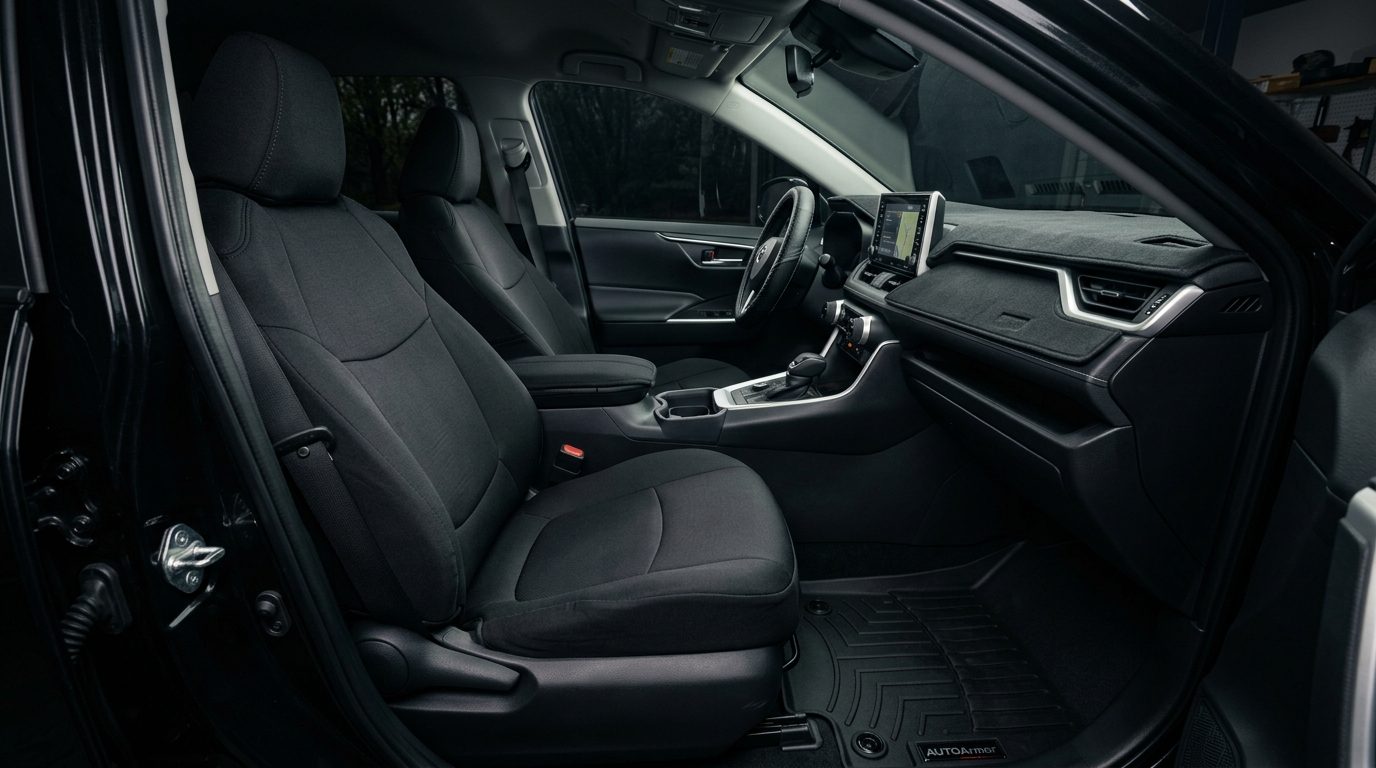
A fully protected interior with coordinated accessories preserves both appearance and resale value.
Understanding What Damages Your Interior
Before you can protect your interior, you need to understand what threatens it. There are four primary sources of interior damage:
UV Radiation
The sun is your interior's biggest enemy. UV rays penetrate through windows and break down the molecular bonds in leather, vinyl, plastic, and fabric. This causes fading, cracking, brittleness, and discoloration. The dashboard, being directly in the sun's path through the windshield, is the most vulnerable surface. But seats, door panels, and steering wheels also suffer UV damage over time.
UV damage is cumulative and irreversible. Once leather cracks or a dashboard fades, there is no way to restore it to original condition. This makes prevention absolutely critical — every day of UV exposure adds up.
Friction and Wear
Every time you get in and out of your vehicle, you create friction against the seats. Every time you grip the steering wheel, you transfer oils and create wear. Every time your feet rest on the floor, you grind dirt into the carpet. Over months and years, this constant friction wears through surfaces, causing thinning, smooth spots, and eventually tears.
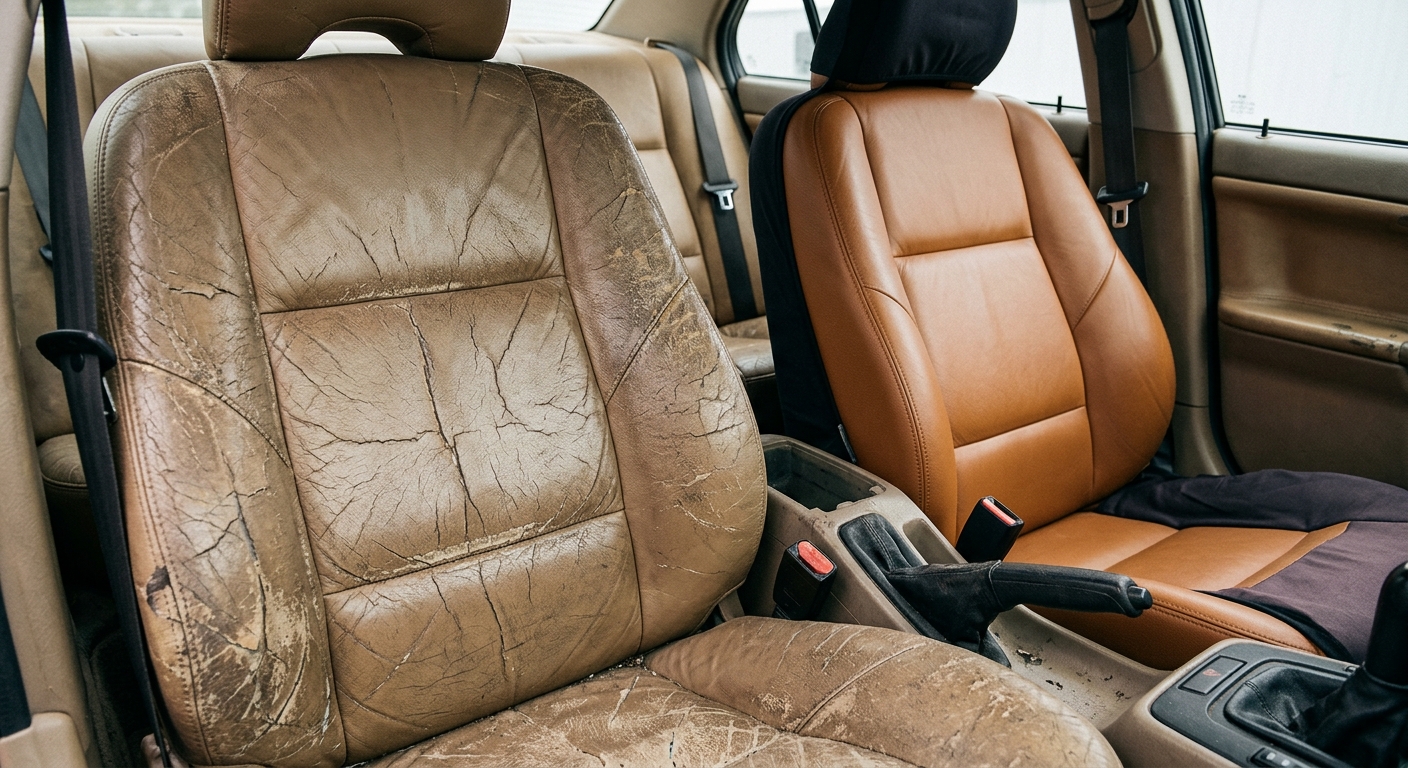
UV and friction damage is irreversible — prevention is the only solution.
Moisture and Spills
Liquids are particularly damaging because they soak into porous materials. A spilled coffee on fabric seats leaves a permanent stain. Water tracked in on rainy days soaks into carpet padding, where it can take days to dry — creating an ideal environment for mold and mildew. Even sweat from daily use introduces moisture and salts that break down seat materials over time.
Dirt and Debris
Dirt is abrasive. When you track mud, sand, or dust into your vehicle, it acts like sandpaper against every surface it touches. Fine particles work their way into fabric fibers, carpet pile, and leather grain, causing gradual wear that is invisible until it becomes significant. Regular cleaning is essential to remove these abrasive particles before they cause damage.
The Complete Protection Strategy
Effective interior protection requires a multi-layer approach. No single product or habit is sufficient on its own. Here is the complete strategy, organized by surface:
Protecting Your Seats
Seats are the largest and most visible surface in your interior. They are also the most expensive to repair or replace. Here is how to protect them:
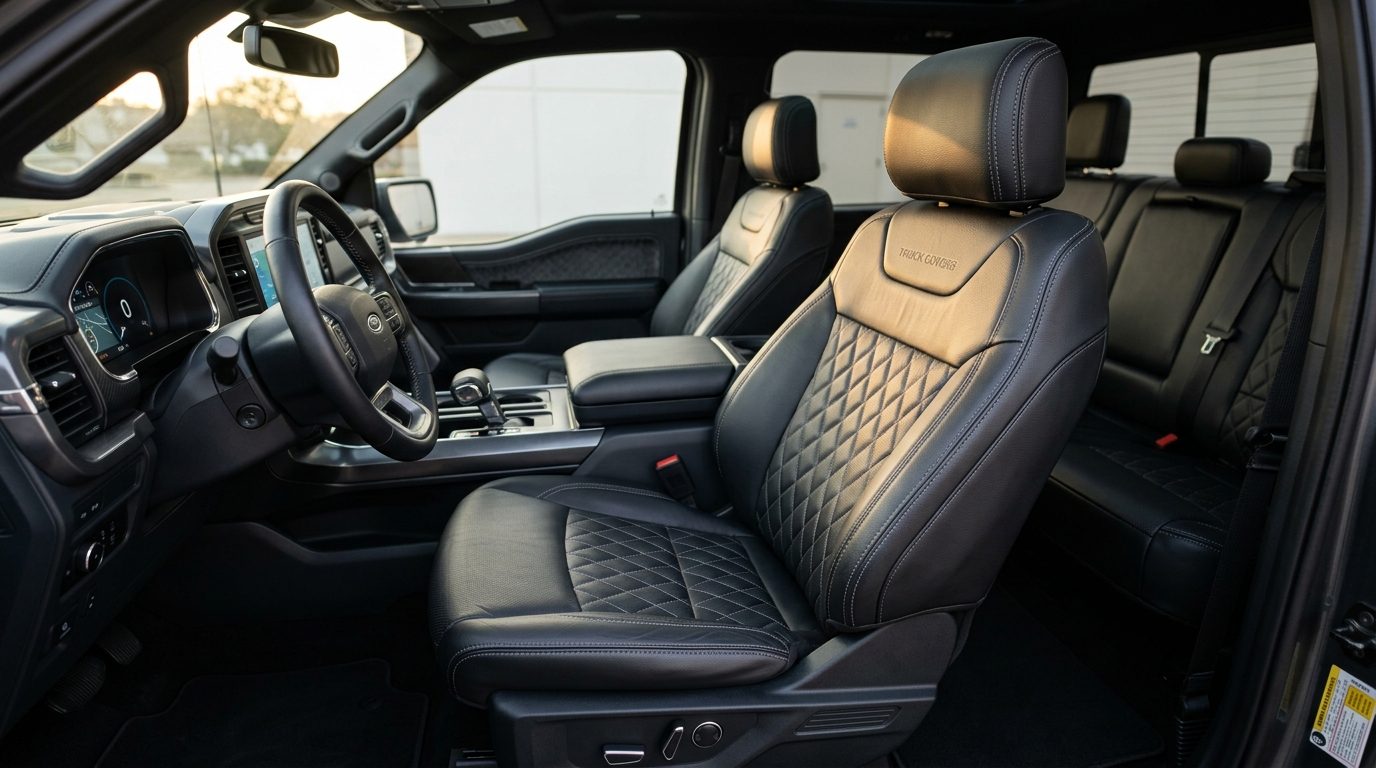
- Install custom-fit seat covers: This is the single most effective step you can take. Quality seat covers create a barrier between you and the original upholstery, absorbing friction, sweat, and UV damage. Choose custom-fit covers for your specific vehicle to ensure complete coverage and airbag compatibility.
- Choose the right material: Leather covers offer premium durability and easy cleaning. Neoprene provides waterproof protection for active lifestyles. Fabric covers are breathable and budget-friendly. Match the material to your needs.
- Clean regularly: Even with covers, clean the original seats periodically. Remove the covers every few months, vacuum the seats, and treat leather with conditioner before reinstalling.
Protecting Your Dashboard
The dashboard faces the most intense UV exposure in the entire vehicle. Without protection, it will crack, fade, and become brittle within a few years. Here is the protection protocol:
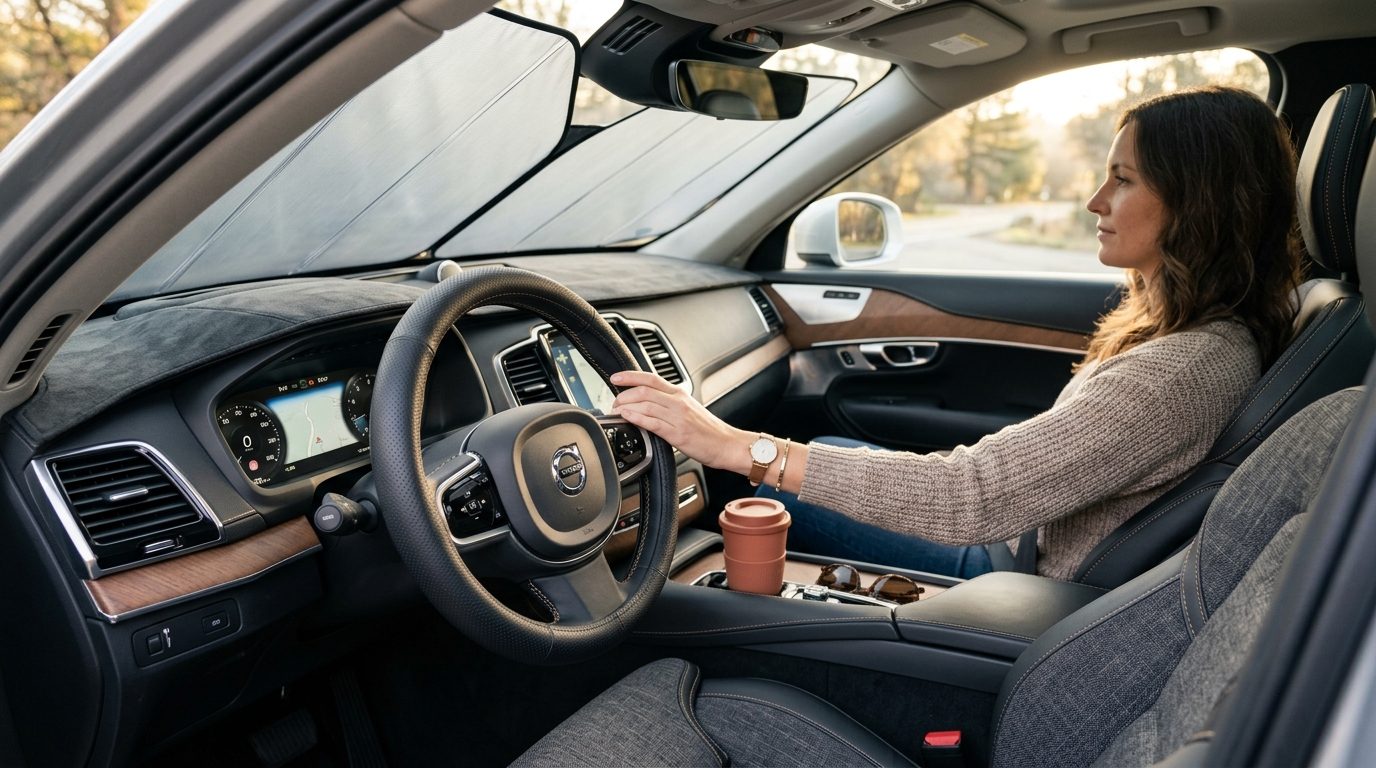
- Install a custom-fit dash cover: A dash cover absorbs UV rays before they reach the dashboard surface. It is custom-cut for your vehicle model, with precise openings for vents and sensors. This is the most effective dashboard protection available.
- Use a windshield sun shade: When parked, always deploy a sun shade. This blocks UV rays and reduces interior temperature by up to 40 degrees, protecting not just the dashboard but every surface in the cabin.
- Apply UV protectant: For surfaces not covered by a dash cover, apply a quality UV protectant spray every month. These products create a barrier that absorbs UV rays and prevents fading and cracking.
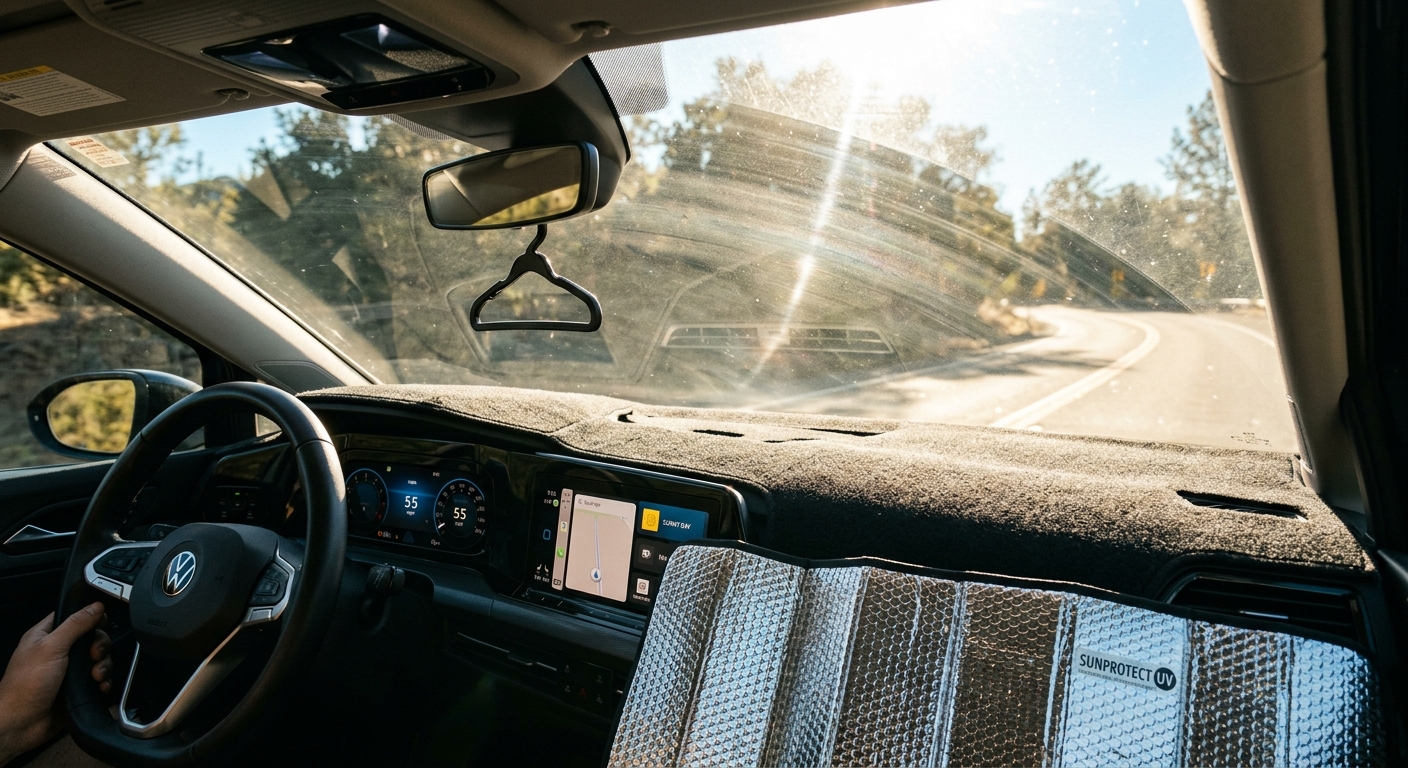
A dash cover combined with a sun shade provides double-layer UV protection for your dashboard.
Protecting Your Floors
Floor protection is straightforward but essential. The right floor mats or liners prevent dirt, water, and debris from reaching your carpet:
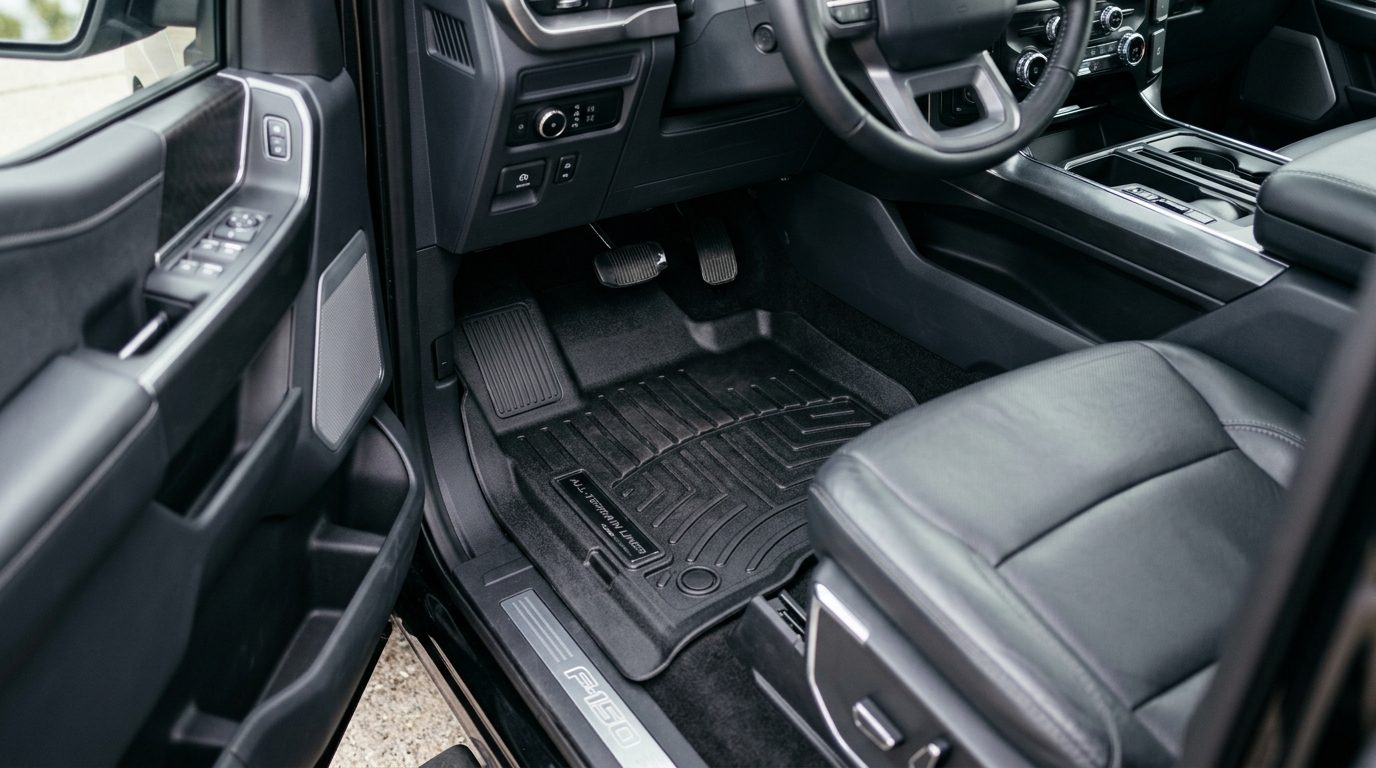
- Install custom-fit floor liners: 3D laser-measured thermoplastic liners offer the best protection. They are molded to your vehicle's exact floor shape with raised edges that contain spills completely.
- Clean mats regularly: Remove and clean your floor mats at least monthly. In winter or rainy seasons, clean them weekly. Dirt and salt buildup reduces the mat's effectiveness and can cause odors.
- Address spills immediately: If a spill gets past your mats and onto the carpet, blot it immediately with a clean cloth. Use a carpet cleaner designed for automotive use, and allow the area to dry completely.
Protecting Your Steering Wheel
The steering wheel endures constant contact with your hands, transferring oils, moisture, and friction. Over time, the original covering wears smooth, becomes discolored, or starts to peel. A steering wheel cover provides a comfortable, protective grip that preserves the original wheel. Choose a cover that fits snugly and is made from durable material like leather or microfiber.
Daily Habits That Extend Interior Life
Beyond accessories, your daily habits play a major role in interior preservation. Here are the habits that matter most:
- Use a sun shade every time you park: Even on cloudy days, UV rays penetrate cloud cover. Make deploying the sun shade an automatic habit whenever you park for more than a few minutes.
- Knock off dirt before entering: Before stepping into your vehicle, tap your shoes together to dislodge loose dirt and mud. This simple habit dramatically reduces the amount of debris that reaches your floor mats.
- Avoid eating in the vehicle: Food spills are among the most common causes of permanent interior stains. If you must eat, use a tray or mat to catch crumbs and spills.
- Vacuum weekly: A quick weekly vacuum removes abrasive dirt particles before they can cause wear. Focus on seats, floors, and crevices where debris accumulates.
- Park in shade when possible: Whenever you have the option, park under a tree, in a garage, or in a covered lot. Reducing sun exposure is the single most effective way to prevent UV damage.
Seasonal Protection Considerations
Different seasons bring different threats. Adjust your protection strategy accordingly:
Summer: UV intensity is at its peak. Double down on sun shade use, apply UV protectant more frequently, and consider lighter-colored seat covers that reflect rather than absorb heat.
Winter: Road salt is extremely corrosive. Use heavy-duty all-weather floor liners and clean them frequently to prevent salt buildup. Condition leather seats more often, as cold, dry air leaches moisture from the material.
Rainy season: Moisture is the primary threat. Ensure your floor liners are in good condition with no cracks or holes. Use waterproof seat covers, and leave windows cracked slightly on dry days to allow moisture to escape.
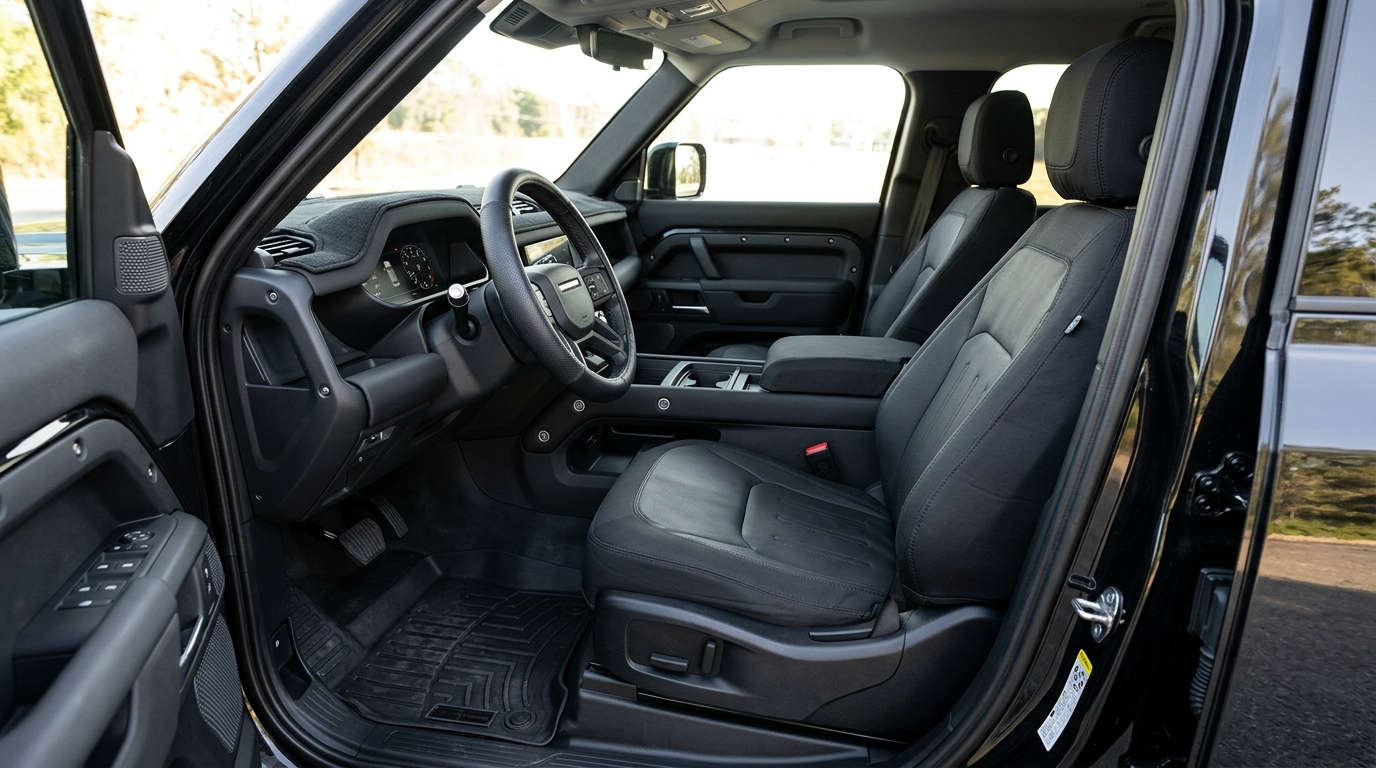
A fully protected interior with coordinated accessories — the result of a complete protection strategy.
The Cost of Protection vs. the Cost of Repair
Some vehicle owners hesitate to spend money on protective accessories, viewing them as optional. But consider the math: a complete protection package — seat covers, floor liners, dash cover, sun shade, and steering wheel cover — typically costs $300 to $600. Compare that to the cost of repairs:
- Leather seat replacement: $1,500 to $3,000 per seat
- Dashboard replacement: $1,000 to $2,500
- Carpet replacement: $500 to $1,200
- Steering wheel replacement: $300 to $800
The protection package pays for itself many times over by preventing even a single major repair. And when it comes time to sell, a pristine interior can add $1,000 to $3,000 to your vehicle's resale value — a return on investment that few other purchases can match.
Building a Protection Kit
To make protection easy, assemble a dedicated kit that stays in your vehicle. Include a microfiber cloth for quick wipe-downs, a small bottle of leather conditioner, a portable vacuum or lint roller, and a pack of cleaning wipes. Having these items on hand means you can address spills and dirt immediately, before they have a chance to set and cause permanent damage. Store the kit in a seat back pocket or cargo organizer for easy access.
Conclusion
Protecting your vehicle interior is not complicated, but it does require consistency. The combination of quality accessories — seat covers, floor liners, dash covers, sun shades, and steering wheel covers — plus smart daily habits creates a comprehensive defense against UV damage, friction, moisture, and dirt. Start with the essentials: a sun shade and floor liners are the most cost-effective first steps. Add seat covers and a dash cover for comprehensive protection. Then maintain everything with regular cleaning and seasonal adjustments. By following this complete protection strategy, you can keep your vehicle's interior looking and feeling new for years, preserving both your daily comfort and your vehicle's long-term value.